We accept
Medicare Advantage plans to fit your dental needs.
Medicare Advantage plans to fit your dental needs.

People with untreated sleep apnea stop breathing repeatedly during their sleep, sometimes hundreds of times during the night. The Cleveland Clinic estimates 25 percent of men and almost 10 percent of women have sleep apnea. Children, especially obese children, can also develop sleep apnea, although they often have different symptoms than adults. Unfortunately, many individuals who have the sleep disorder don't know it. Some common symptoms, like loud snoring or gasping for air, are not noticeable to the person experiencing them as they are asleep.
Obstructive Sleep Apnea is the type most people have, and OSA is what most people mean when they say they have the disorder. OSA occurs when the muscles in the back of your throat relax and block or partially lock the flow of air through your windpipe. You partially wake and gasp for air, disrupting your sleep. This can happen anywhere between ten to 30 times per hour, leaving you without the restful sleep your body needs to function properly. Most people that develop obstructive sleep apnea have a variety of risk factors, but it’s important to note that anyone can develop this disorder. If you think you may have sleep apnea, be sure to contact your dentist as soon as possible for effective treatment.
Central sleep apnea is a neurological problem which affects less than 20 percent of people with sleep apnea. People with CSA can physically breathe, but their brain neglects to tell them to do so. This may occur after an injury or trauma.
Mixed sleep apnea is a rare combination of obstructive and central sleep apnea. It's often diagnosed when continuous airway pressure fails to treat OSA or the obstruction is removed and the sleep apnea remains.
Individuals that develop sleep apnea most likely have one or more of the risk factors below; however, anyone can develop the disorder, which is why it’s important to understand the risk factors and symptoms. Risk factors for OSA include:
The most common symptoms of OSA include:
Sleep is important in our lives as it allows our body to rest and recover. If you wake up frequently during the night, poor sleep quality can lead to chronic fatigue and a wide array of health problems. Recent research has also linked OSA to depression. Unmanaged sleep apnea can increase your risk of stroke and cardiovascular disease. When you pause breathing during the night, your blood pressure increases and your heart rate increases when your body wakes you up to breathe. The daytime sleepiness can also increase a person's chance of having a vehicle accident or an accident at work.
If you are diagnosed with sleep apnea after a sleep study, you'll have several treatment options. If you're diagnosed with mild OSA, which is when you stop breathing for five to 15 times per hour, you can make simple lifestyle changes, like losing weight or changing your sleeping position, to see if these tactics help you sleep better.
CPAP therapy is widely used for moderate to severe OSA, where you have 15 or more apnea incidents per hour. A CPAP machine provides continuous positive airway pressure to keep your airway open. You wear a mask connected by a hose to the machine. There are several types of machines available, but some people find the mask uncomfortable or the machine is too noisy.
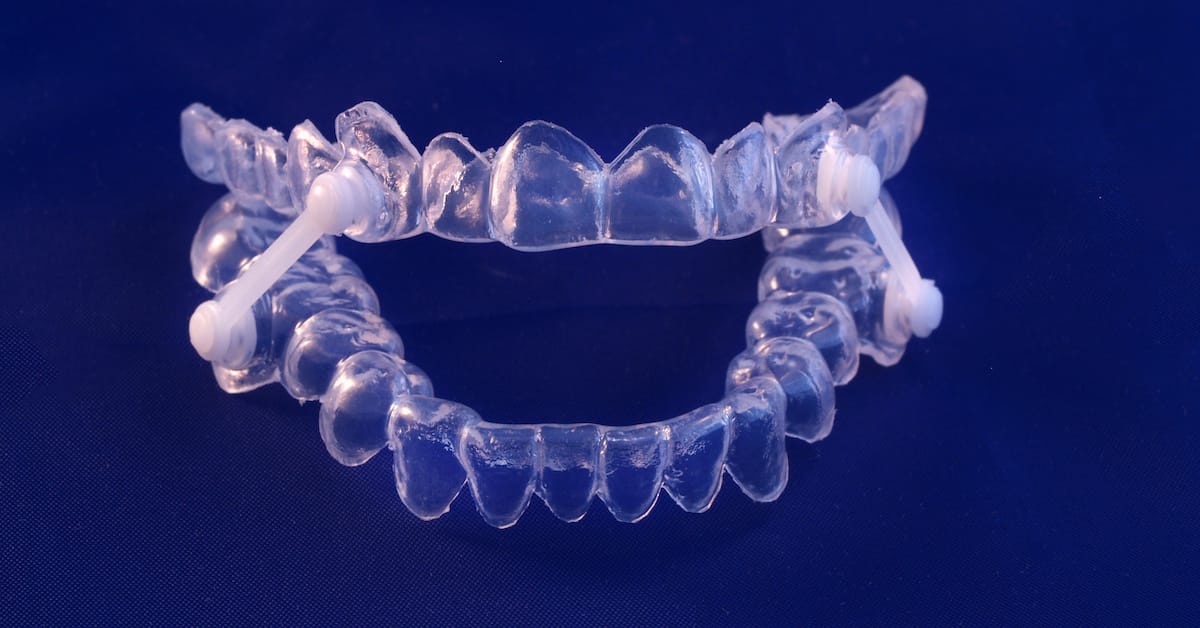
If you have a moderate or severe sleep apnea diagnosis, you have options for treatment. One of our skilled dentists can fit you with a custom oral appliance that can keep your airway open at night. You will get a better night's sleep with treatment and find you have more energy during the day. Please call us for an appointment today to get started on better overall health and an improved quality of life.