We accept
Medicare Advantage plans to fit your dental needs.
Medicare Advantage plans to fit your dental needs.

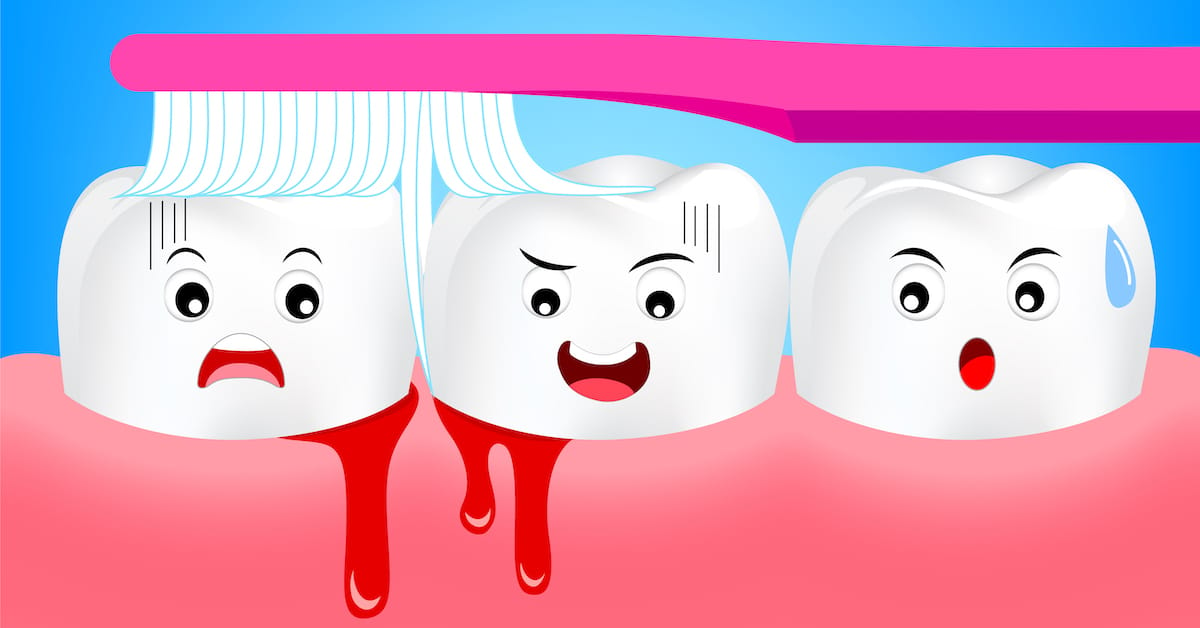
Gum disease is known clinically as periodontal disease. It's an inflammatory condition which affects the gums first and can spread underneath the gums as the disease progresses, attacking the ligaments holding the teeth in place. In severe cases, it can reach the bone holding teeth in place, causing tooth loss. Dentists can cure gum disease in its earliest stage, called gingivitis, but otherwise, the disease needs lifelong monitoring. Gum disease can affect one or more teeth in your mouth. Learning the symptoms of periodontal disease can help you catch the disease early and seek a cure, before any permanent damage occurs.
Healthy gums fit tightly around teeth, while individuals with gum disease will witness pockets forming between the teeth and gums. Gums are soft tissue that frame the teeth and cover the alveolar bone which holds the tooth sockets. They protect the tooth sockets from food particles and plaque in your mouth. Without gums, the bad bacteria in plaque will damage the bone and surrounding ligaments, and cause teeth to become loose and eventually fall out.
Did you know that over 75 percent of adults and over 60 percent of teenagers will experience some form of gum disease? Those uncomfortable statistics make this one of the most common dental problems facing adults today. One of the best ways to arm yourself against gum disease is to learn as much as you can about what causes it, the symptoms and signs it presents and what you can do to prevent it from occurring in the first place.
Unfortunately, many people also suffer from periodontitis, the more advanced form of gum disease. Periodontal disease is is more prevalent in men than women and more common in smokers than non-smokers. With periodontitis, it’s very important to keep a close eye on you gums and maintain a strong relationship with your dentist. You’ll need all the help you can get if you have periodontitis.
What Causes Periodontal Disease?
Gum disease starts when the bacteria found in plaque irritates the gums surrounding your teeth. If you don't brush and floss diligently, the plaque accumulates and causes gingivitis, the mildest form of gum disease. If you don't get treatment to reverse gingivitis, it can turn into periodontitis.
Gum disease is primarily caused by poor oral hygiene, but several factors increase a person's chance of developing gum disease, including:
Most of the time, gingivitis may be symptom-less or present very simply, making it hard to know if you have it or not. However, there are some common symptoms of periodontal disease that you might notice, which include:
Practicing good oral hygiene is the most important thing you can do to keep your gums healthy. Brush your teeth at least twice a day for two minutes at a time. Make sure you use a soft bristle brush that can get in tight spaces. Floss every day, too, making certain you reach between all your teeth. Swish an anti-plaque mouthwash around in your mouth for at least 60 seconds daily.
Schedule a routine examination and professional teeth cleaning twice a year with an affordable dentist in Rockledge. He or she can ensure you are avoiding plaque buildup and keeping your gums healthy.