We accept
Medicare Advantage plans to fit your dental needs.
Medicare Advantage plans to fit your dental needs.

Root canals are a common dental procedure, yet many people don’t know the details about why this procedure is necessary or how it works. Reading this guide can assist you in learning the truth about root canals, while at the same time helping you to decide if this is the type of treatment that you need.
A commonly held misconception about root canals is that the treatment method causes pain in the tooth. It’s important to know that a root canal procedure will provide you with relief from tooth pain and the issues surrounding it, rather than causing the pain. The actual procedure is painless. The causes of tooth pain are infection, decay or damage to a tooth that affects the pulpy insides of the tooth. Not addressing this problem will lead to severe tooth pain. It can also lead to the loss of your tooth. Receiving treatment at the first sign of trouble will allow your dentist to save your tooth.
When speaking to your dentist about receiving a root canal, ask the below questions to find out if this treatment can help you.
There are several different types of tooth pain that could be a sign that you need a root canal. If you have any of the below symptoms, you should visit an affordable dentist immediately to determine if you need to pursue this treatment method:
If your dentist has decided that you need to have a root canal, you’re probably experiencing some concern about the procedure. This guide can help you understand every step of the process.
Step 1 – Detection of an Infection
If the pulp inside of your tooth becomes severely damaged or infected, you most likely need to have a root canal. Common signs of this include swelling, pain and redness. If you’re experiencing any of those symptoms, you should call your dentist as soon as possible.
Step 2 – Beginning the Root Canal Procedure
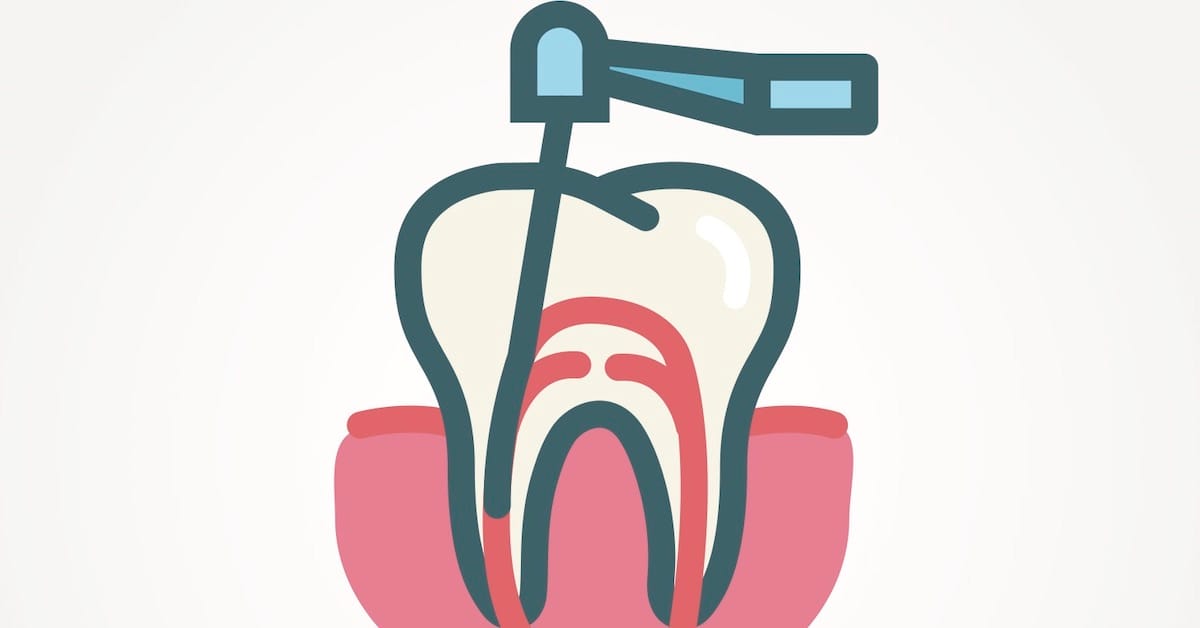
Once the tooth has been examined, your dentist will decide whether you need to have a root canal. If the procedure is necessary, he or she will numb your tooth so that an opening can be made in the crown of the tooth. This opening allows your dentist to access the pulp.
Step 3 – Removing the Root of the Problem
Once the tooth’s pulp is accessible, your dentist will take out the damaged or infected pulp with specialized tools. He or she will then clean your tooth.
Step 4 – Filling the Tooth’s Canals
The tooth’s canals will be shaped and packed with a type of filling that will keep your tooth protected from further damage.
Step 5 – Restoring the Tooth
Once the pulp has been removed, your dentist will seal up the opening in the tooth’s crown via the use of a temporary filling.
Step 6 – Receiving the Crowning Glory
Your dentist will need to see you again shortly after the procedure has taken place. This is so your dentist can place a crown over the tooth so that it is protected from further damage and decay.
Do you have questions about what the healing process is like? Use our guide to ensure that your recovery is fast and complete.
You can expect to feel some tingling or tenderness in the area around the affected tooth for a few days after the procedure has taken place. There may also be a bit of tenderness when you keep your jaw open for extended periods. Over-the-counter pain relievers are usually able to treat these symptoms. You can also expect your tooth to feel a little different that your other teeth for a few weeks after your procedure. If you have any severe pain or experience severe pressure, you should contact your dentist immediately.
Your dentist will provide you with detailed instructions about the recovery process. These instructions should be followed precisely, as they will allow you to recover more quickly. Contact your dentist if you have questions, concerns, severe pain, ongoing discomfort or any adverse reactions. While each root canal case is different, here are some of the most common guidelines for allowing your mouth to heal properly after a root canal:
Having a root canal performed on your tooth is the first step to returning your tooth back to normal. To be sure that your tooth stays healthy you will need to come back to see your dentist to have the temporary filling replaced with a permanent restoration piece. You will schedule this procedure right after your root canal.