We accept
Medicare Advantage plans to fit your dental needs.
Medicare Advantage plans to fit your dental needs.
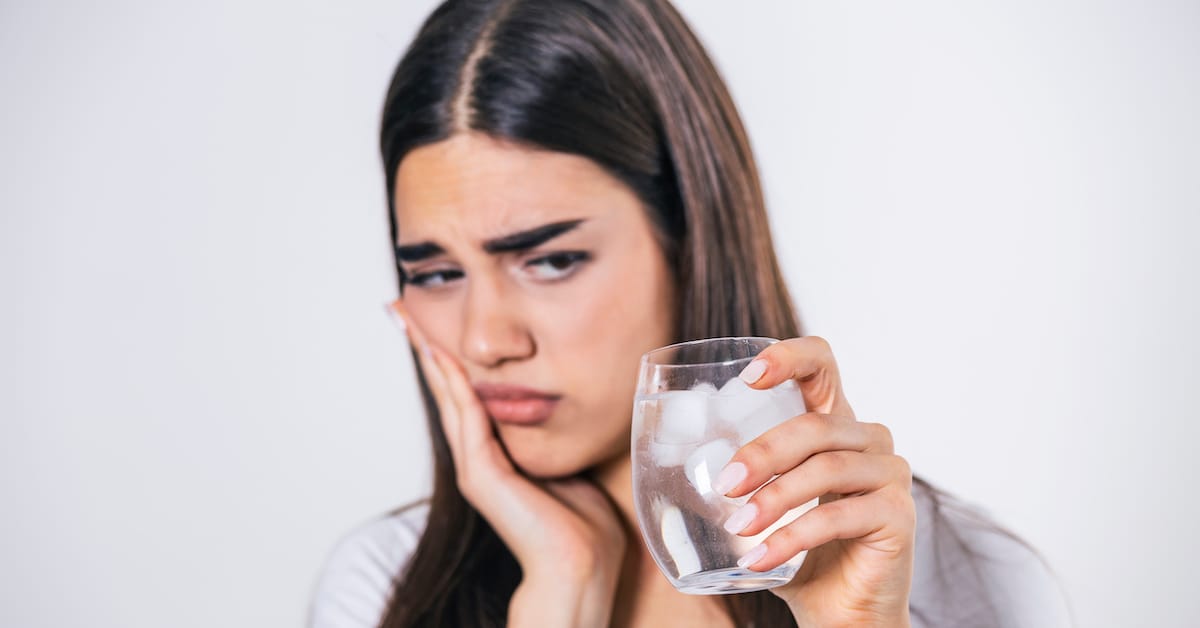
Are you experiencing a jolt of pain whenever you consume hot or cold foods and drinks? Tooth sensitivity can also occur when you brush your teeth using cold tap water. The pain may only last a second or two, but it's annoying. Why should you have to turn down a hot chocolate on a wintery day or a lemonade on a hot day? You don't have to; there are many treatments to address your tooth sensitivity and let you enjoy your favorite foods and beverages.
Teeth sensitivity usually happens when your tooth enamel has eroded. The enamel is extremely hard, but there are many ways it can wear down and expose the dentin underneath. Dentin has tiny tunnels that connect to the pulp on the inside of the tooth. The pulp contains the tooth's nerve endings, which are very sensitive to stimulus. Receding gums can also cause sensitivity and a tooth's roots don't enjoy the protection enamel provides.
You can experience sensitivity at any age, but it is most common in individuals who are between 30 and 40 years of age. This is when gum recession commonly happens and when years of enamel erosion show.
There are many reasons for tooth sensitivity. The main ones include:
The most important thing you can do is consult your dentist. Let him or her know if you notice sensitivity in one area of your mouth or if it is more generalized. Also mention if you've started using any new products lately, like a whitening mouthwash.
Your dentist will suggest a way to relieve your sensitive teeth depending on the reason you are feeling pain. If only one tooth is sensitive, your dentist will look for the issue, like a cavity or fracture, in the tooth. If you're experiencing general sensitivity, a dentist will look at possible reasons for enamel loss.
Don't take sudden tooth sensitivity lightly. Your dentist can help you find the most appropriate treatment for you. There's no reason to avoid foods and drinks you enjoy anymore when help is as close as your local dentist's office.